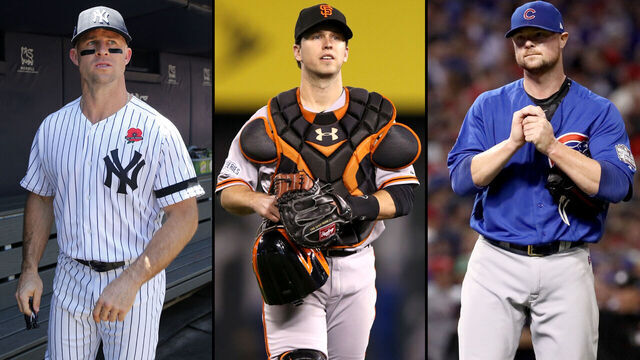
With the National Baseball Hall of Fame's 2026 class officially inducted, it's time to turn our attention to the next round of voting in January 2027. There's at least one likely first-ballot lock, but next year's crop of potential debutants drops off quickly, which should leave the door open for at least one returnee to get over the hump.
Here's an early forecast of the 2027 ballot.
Note: All WAR figures courtesy Baseball Reference unless otherwise noted.
The newcomers
Should be a lock
| Player | Pos. | Seasons | JAWS | WAR |
|---|---|---|---|---|
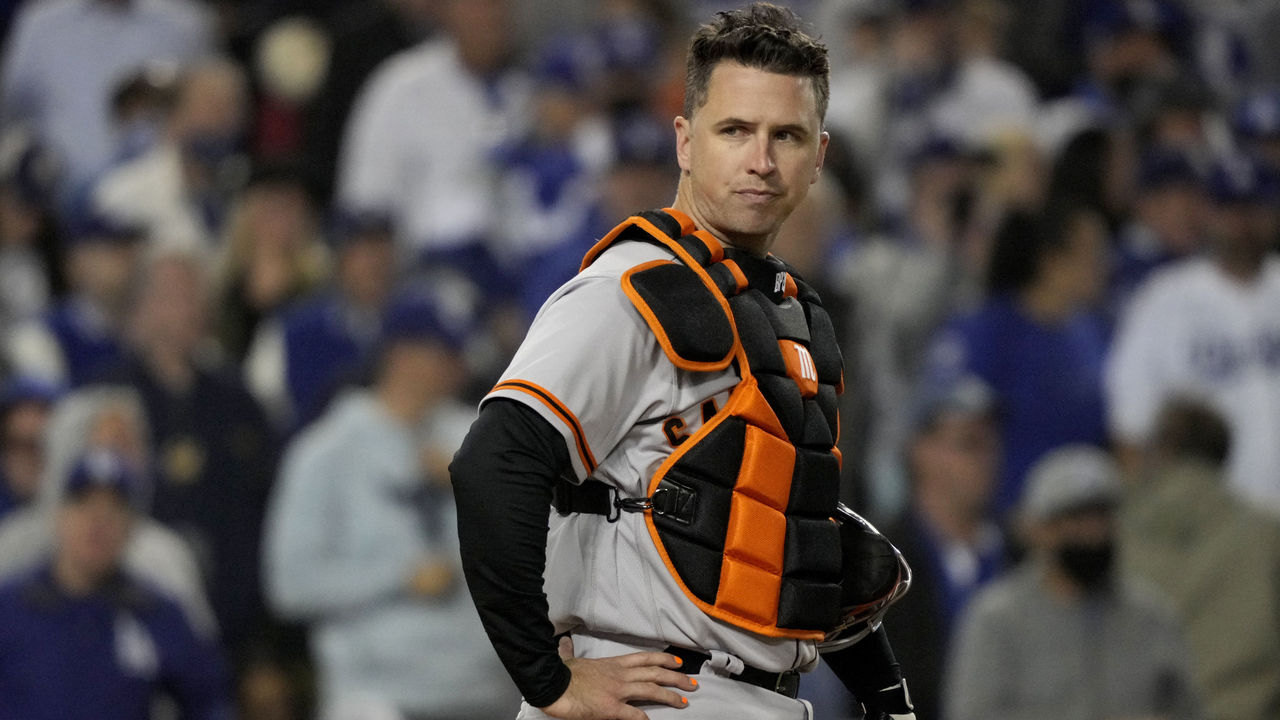
| Buster Posey | C | 12 | 40.8 | 45.0 |
Posey's career was short by choice - he retired after a brilliant age-34 campaign, leaving with just 1,500 hits and 158 homers - but that shouldn't stop him from headlining next year's class. The rock of the San Francisco Giants' 2010s dynasty, Posey owns five Silver Sluggers, a Gold Glove, the 2010 NL Rookie of the Year award, the 2012 NL MVP trophy, and three World Series rings. Of the 13 catchers with a higher JAWS score than Posey, only two aren't in Cooperstown. If he's not the fourth catcher elected on the first ballot in January, it'll be a shock.
Most intriguing newcomer
| Player | Pos. | Seasons | JAWS | WAR |
|---|---|---|---|---|
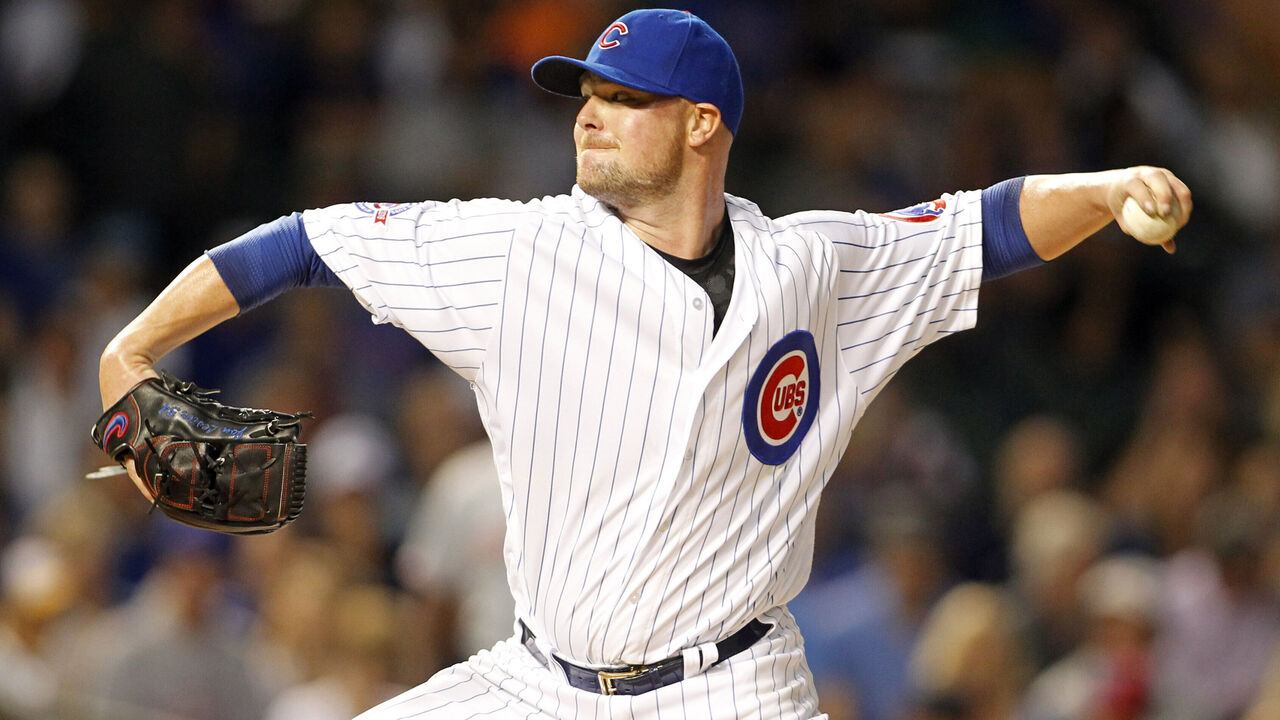
| Jon Lester | SP | 16 | 38.8 | 43.5 |
There are reasonable cases to be made for and against Lester. He scores very low on metrics, sitting 160th among starters in WAR - one spot behind 2018 inductee Jack Morris. His 3.66 ERA would be among the highest in Cooperstown if he were elected. He also never won a major regular-season award and failed to reach 2,500 strikeouts (in large part because of the shortened 2020 season). Yet Lester does sit in the top 10 in both innings and Ks since 2000, and he's one of just 10 pitchers to earn 200 wins this century. He was a reliable ace for two franchises, and his case is boosted by his brilliant postseason resume, which includes three World Series rings and the 2016 NLCS MVP award. Lester's not going in next year but will undoubtedly stick on the ballot, and his journey will be fascinating to watch over the next decade.
Other notable first-timers
| Player | Pos. | Seasons | JAWS | WAR |
|---|---|---|---|---|
| Jake Arrieta | SP | 12 | 23.7 | 22.7 |
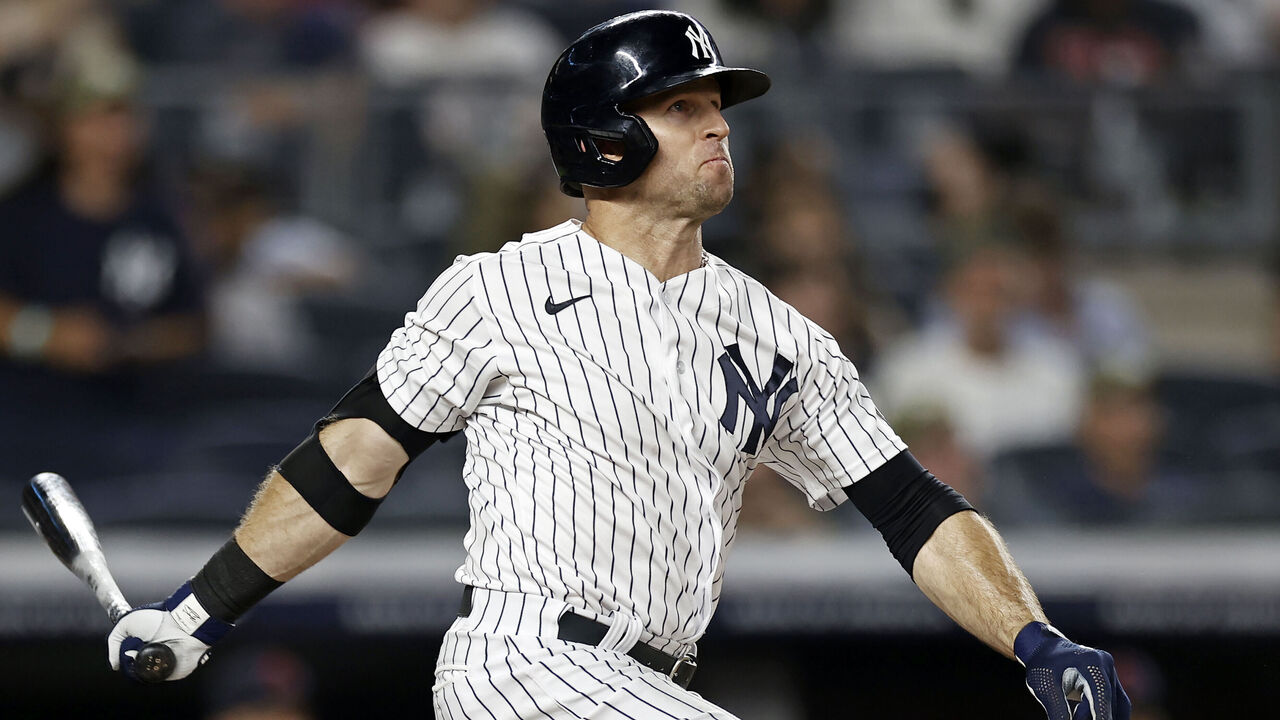
| Brett Gardner | LF/CF | 14 | 38.3 | 44.3 |
| Kyle Seager | 3B | 11 | 34.4 | 37.0 |
| Ryan Zimmerman | 3B/1B | 16 | 35.7 | 40.1 |
Like we said, it's a top-heavy first-year class. None of these four have hope of election, but they do stand out as the best of the rest.
Arrieta's peak was brief and his drop-off was just as fast, yet few pitchers could match his dominance during that four-year run from 2014-17. He won the 2015 NL Cy Young Award and threw two no-hitters in addition to becoming a hero of the Chicago Cubs' curse-breaking 2016 title.
Gardner scratched and clawed his way to become a staple of the New York Yankees' outfield in the 2010s. A solid - if unspectacular - two-way player, the one-time All-Star won a World Series, a stolen-base title, and a Gold Glove. He also owns the third-most defensive runs saved (140) among all outfielders since the stat was first tracked in 2002.
Seager, a lifetime Seattle Mariner, was the quiet offensive rock of some perpetually disappointing teams. He averaged 22 homers and 73 RBIs per season over his 12-year career and won a Gold Glove. While Cooperstown's not in the cards, Seager's a lock for the Mariners Hall of Fame.
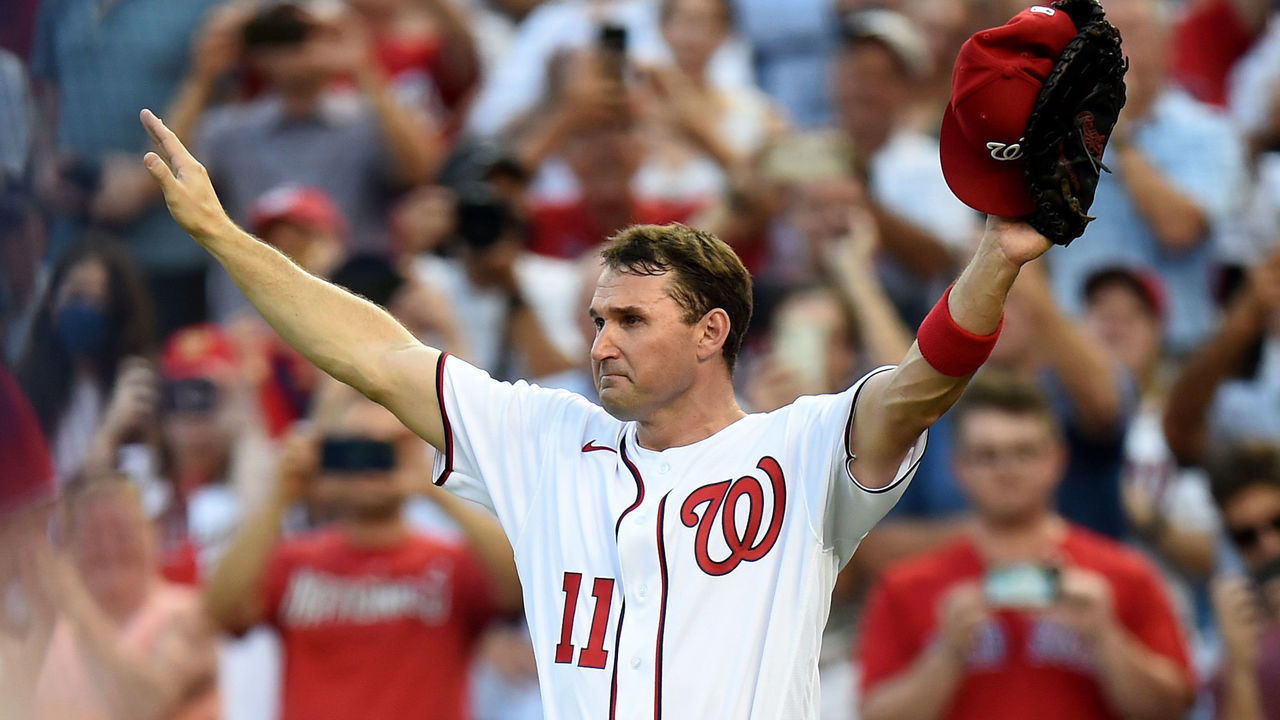
Zimmerman, the Washington Nationals' first draft pick after relocating from Montreal in 2005, served as the franchise's heart and soul for 16 seasons. He was also a two-time Silver Slugger-winning third baseman, an All-Star at two different positions, and a part of the Nats' 2019 World Series-winning team. "Mr. National" had his No. 11 retired in 2022.
One and done
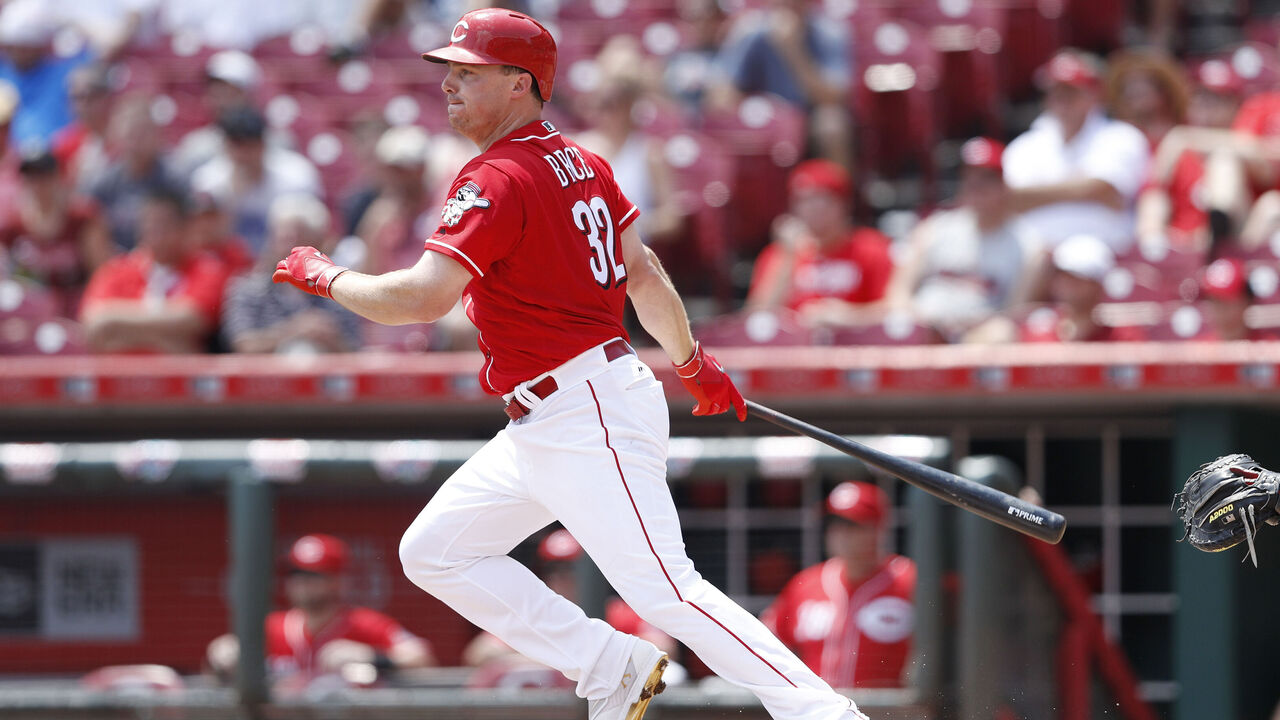
These players logged the required 10 years of major-league service time and last played during the 2021 season, making them eligible to appear on next year's Hall of Fame ballot.
If they make it, they'll be unlikely to receive a single vote, let alone reach the requisite 5% to remain eligible. That shouldn't be viewed as an insult to their excellent careers, which included multiple All-Star appearances, championships, awards, and no-hitters, among other accomplishments. Making the ballot is a prestigious honor that this group should take pride in.
Position players: Alex Avila, Jay Bruce, Asdrúbal Cabrera, Starlin Castro, Dexter Fowler, Todd Frazier, Jon Jay, Jonathan Lucroy, Jeff Mathis, Cameron Maybin, Mitch Moreland, Wilson Ramos, Josh Reddick
Pitchers: John Axford, Dellin Betances, Wade Davis, Neftalí Feliz, J.A. Happ, Will Harris, Derek Holland, Scott Kazmir, Andrew Miller, Yusmeiro Petit, Ervin Santana, Joakim Soria, Pedro Strop, Tony Watson, Jordan Zimmermann
Returning candidates
On the doorstep
| Player | Pos. | Ballot Year | 2026 Total (+/-) |
|---|---|---|---|
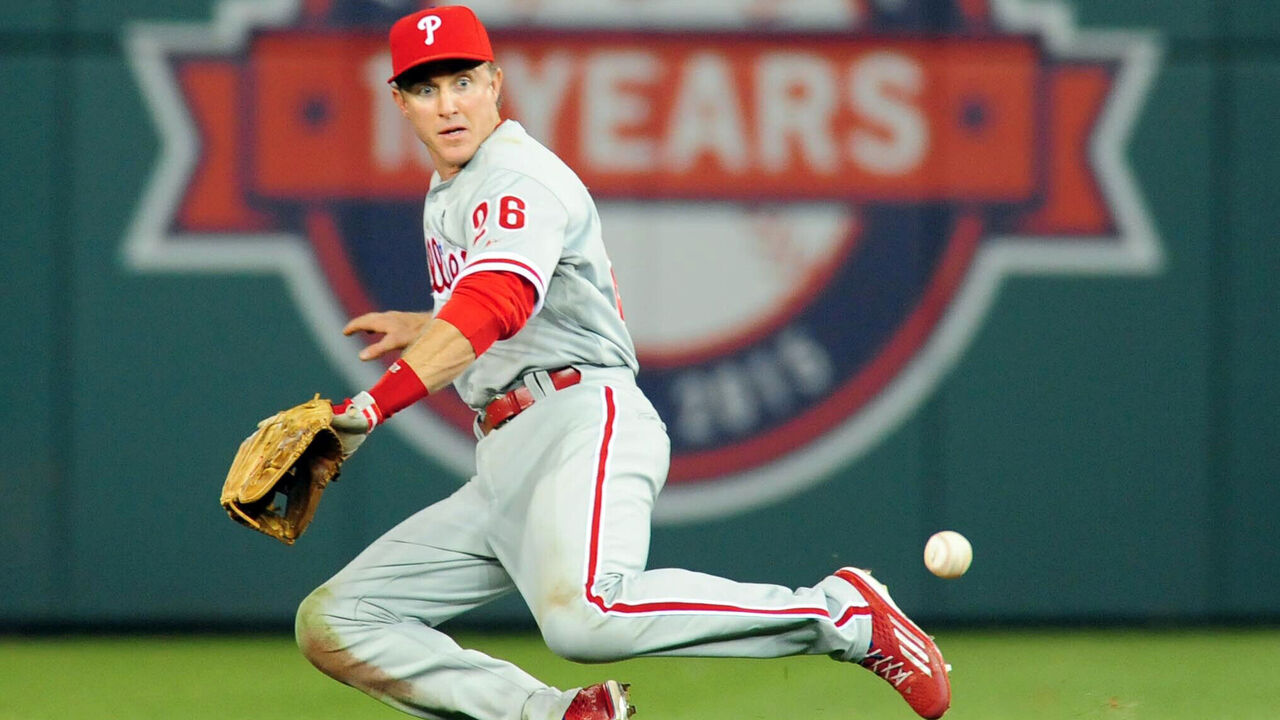
| Chase Utley | 2B | 3rd | 59.1% (+19.3) |
Utley's nontraditional yet Hall-worthy career was expected to result in a slow climb up the ballot. Instead, he's above 50% after two years, and there's no turning back now. He'll need another big jump to make it in 2027 and still has to win over much of the more traditional voting bloc; Utley's 39.7% public-private ballot differential was last year's largest on Ryan Thibodaux's tracker. But between his fast rise, Andruw Jones and (soon) Posey opening the door for expansion-era players with less than 2,000 hits to be elected by the BBWAA, and the thin first-year class, it's easy to see Utley's path. This is very likely going to be his year.
Rising fast
| Player | Pos. | Ballot Year | 2026 Total (+/-) |
|---|---|---|---|
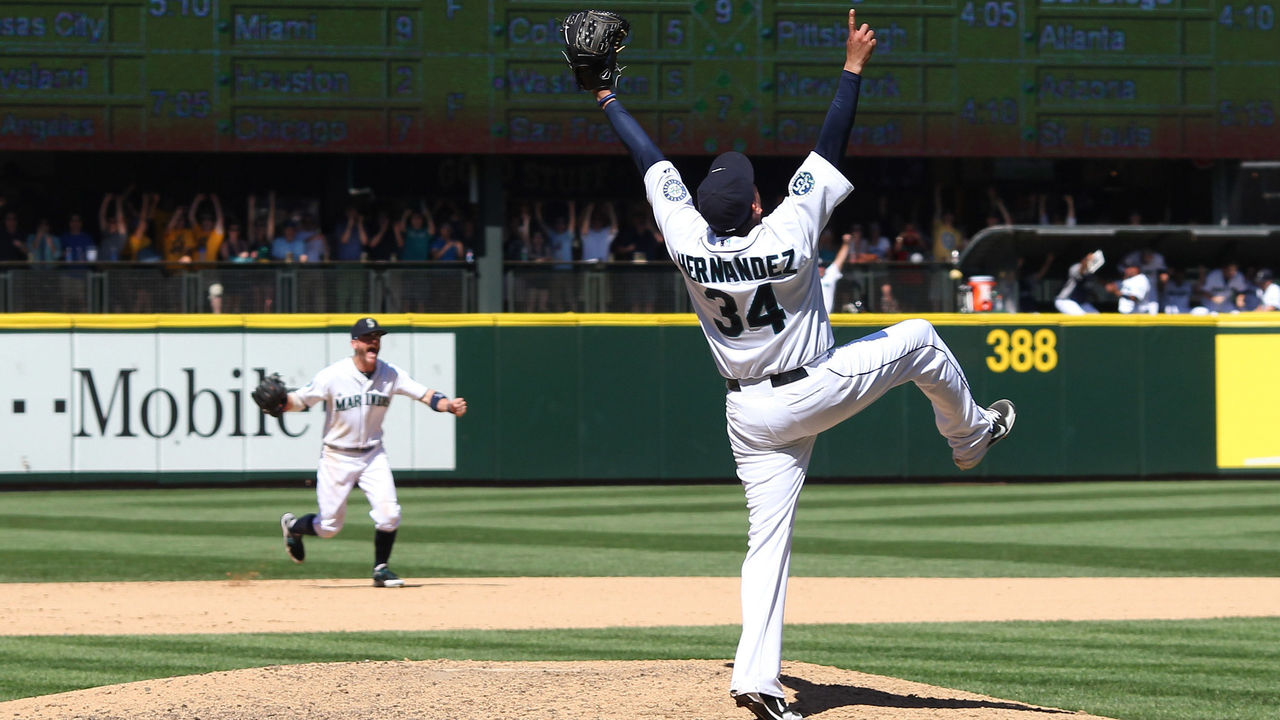
| Félix Hernández | SP | 3rd | 46.1% (+25.5) |
"King Félix," the test case for modern Hall of Fame starting pitching, followed up his surprisingly high first-year total with last winter's biggest surge in support among returning candidates. As FanGraphs' Jay Jaffe noted in January, Hernández's 25.5% leap marked the largest year-over-year gain since modern voting began in 1967. Like Utley, his more modern analytical case means it's harder for him to win over some older, more traditional-minded voters - that's even more difficult for Hernández as a pitcher - although it's clearly not slowing his momentum. Hernández is likely to jump above 50% in 2027, and depending on his total, he should make it in by 2030, if not sooner.
Is it too late?
| Player | Pos. | Ballot Year | 2026 Total (+/-) |
|---|---|---|---|
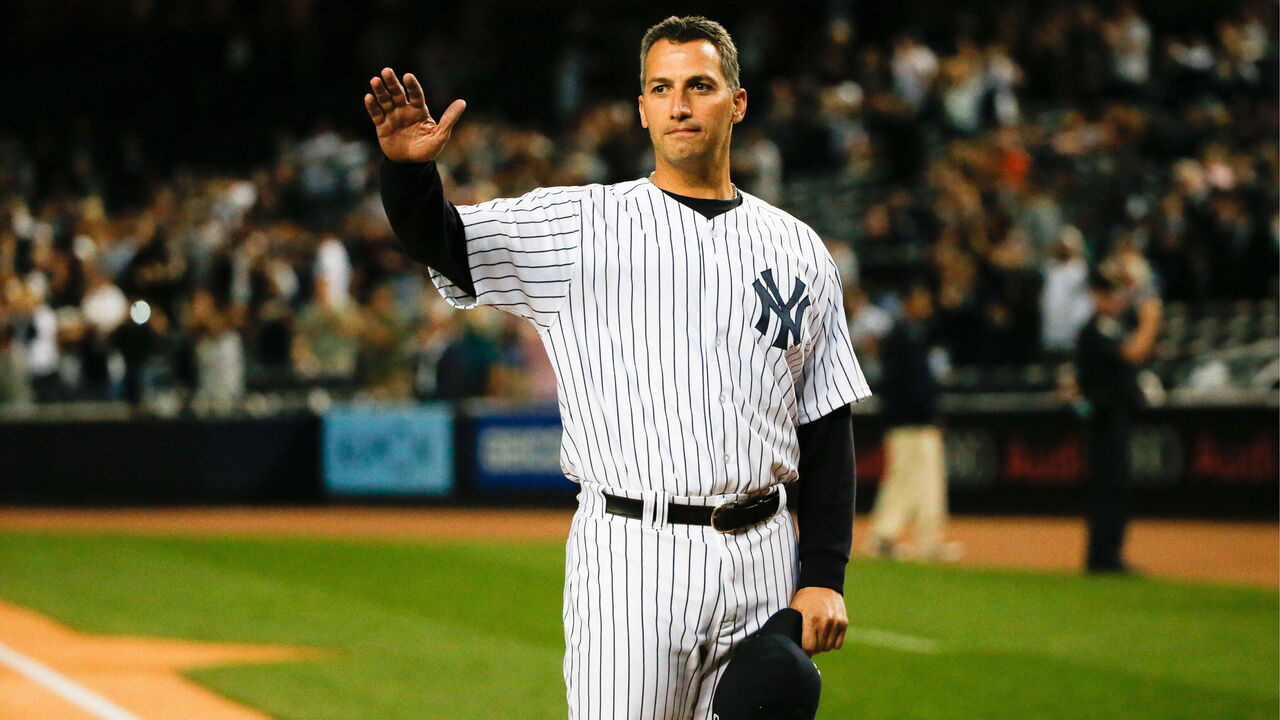
| Andy Pettitte | SP | 9th | 48.5% (+20.6) |
Pettitte's total actually dropped in 2024 before a sudden surge in support took him out of the teens and put him on the doorstep of 50% overall. Still, time is his enemy, as the near-record jump might have come too late for the Yankees icon. Pettitte will almost certainly get above 50% next year, but his chances of election by 2028 - his final year of eligibility - likely depend on another 20% spike this cycle.
Stuck in the mud
| Player | Pos. | Ballot Year | 2026 Total (+/-) |
|---|---|---|---|
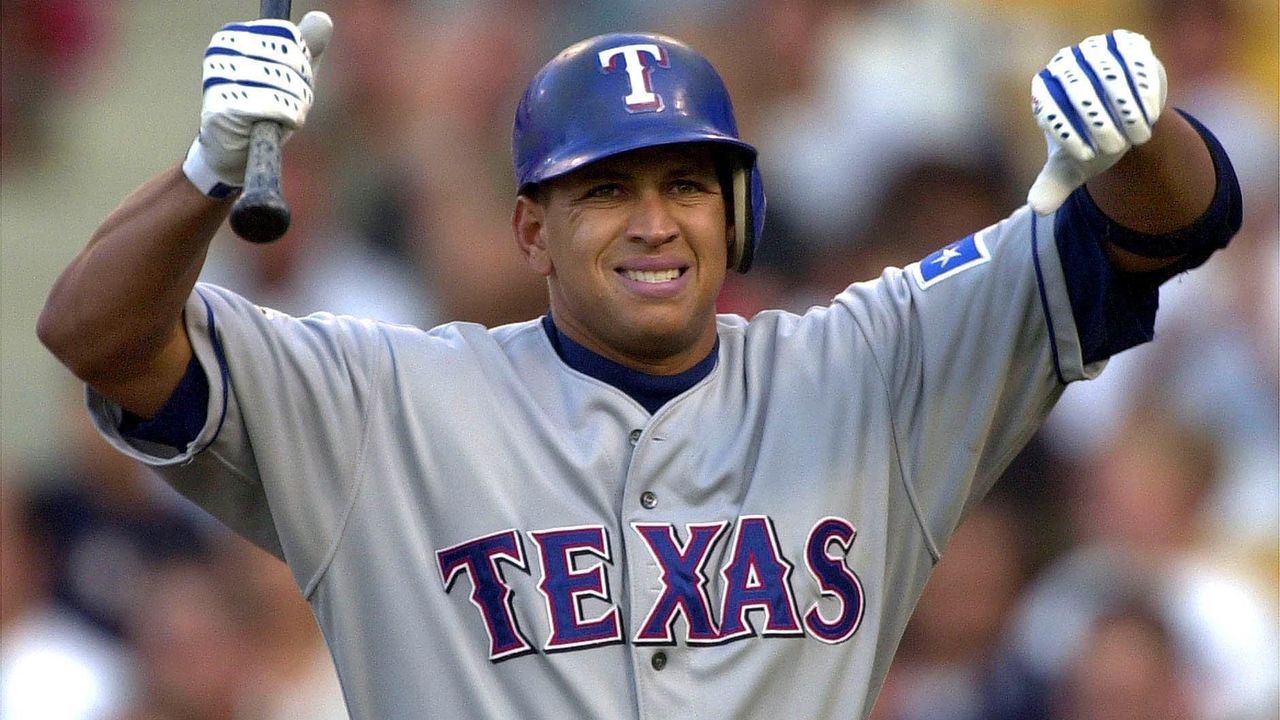
| Alex Rodriguez | SS/3B | 6th | 40.0% (+2.9%) |
A-Rod is arguably the greatest right-handed hitter ever, but he will continue to linger in no-man's land on the ballot thanks to his 2013 PED suspension. Rodriguez's pace is still slightly ahead of where fellow steroid-tainted great Manny Ramirez, who aged off the ballot last year, was at this stage - but not by much. It's clear that Rodriguez's support is largely capped out.
Hoping to climb
| Player | Pos. | Ballot Year | 2026 Total (+/-) |
|---|---|---|---|
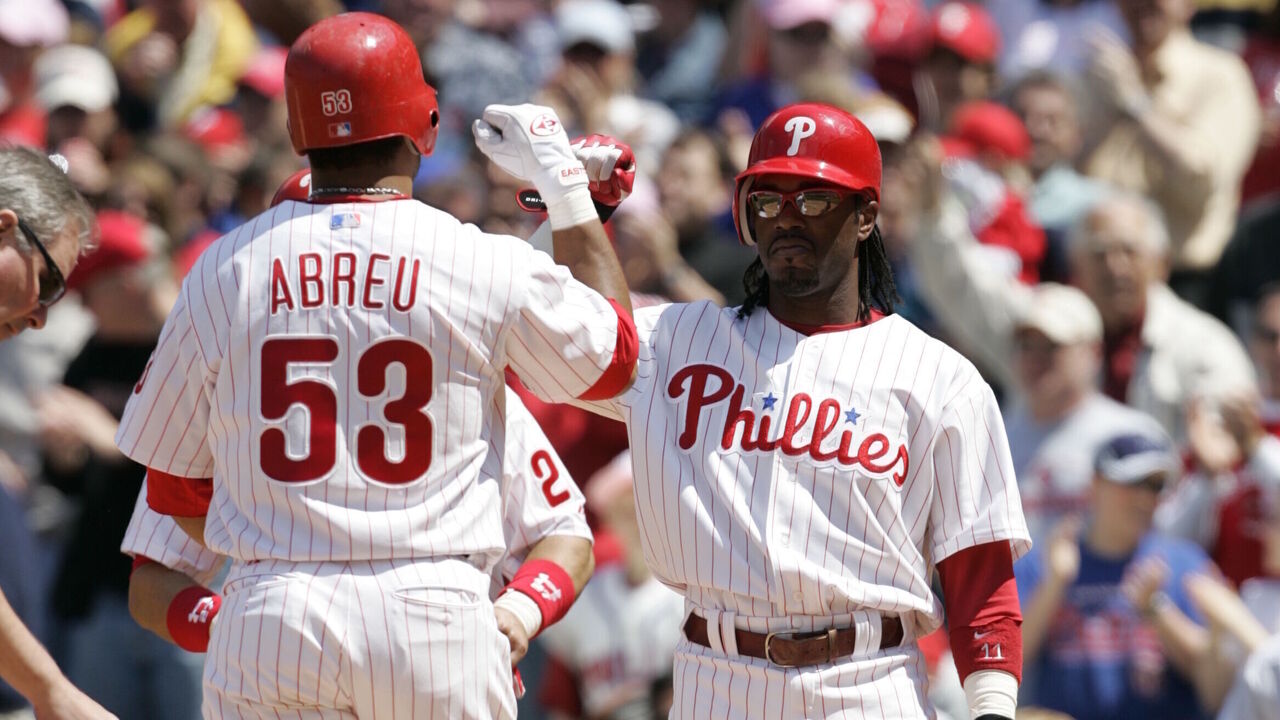
| Bobby Abreu | RF | 8th | 30.8% (+11.3%) |
| Mark Buehrle | SP | 7th | 20.0% (+8.6%) |
| Cole Hamels | SP | 2nd | 23.8% (-) |
| Dustin Pedroia | 2B | 3rd | 20.7% (+8.8%) |
| Jimmy Rollins | SS | 7th | 25.4% (+7.4%) |
This group of intriguing candidates continues to linger on the ballot, although they all face long roads to Cooperstown.
Abreu, a metrics darling and perpetually underrated outfielder, finally got a double-digit bump in support last year, but it wasn't big enough to push him into serious contention. With three years left, his best hope now is to hit 40% by Year 10 so that he looks a bit better in front of an era committee. The same goes for Buehrle, the popular workhorse lefty who continued his seesaw journey by finally getting to 20% last year - albeit with a smaller net increase.
Of these five, the most intriguing names to watch are Hamels and Pedroia. Much like Hernández, Hamels and his somewhat nontraditional case got off to a better start than some might have expected. He probably won't hit 40% next year but could see a small push as Hernández continues to gain steam. Lester's ballot debut could also help Hamels if voters are comparing the contemporary southpaws side by side.
Pedroia was a grinder at the keystone who lacks traditional counting stats (largely due to injuries that prematurely ended his career) yet measures up on metrics. And unlike Utley, whom he'll be linked to on these ballots, Pedroia has more individual hardware to boost his case. Rollins, Utley's longtime double-play partner in Philadelphia, is forcing voters to continue haggling with his interesting, albeit flawed, career. Both Pedroia and Rollins could be beneficiaries of Utley's rapid rise in the long term, although the latter doesn't have as much time on his side.
Trying again
| Player | Pos. | Ballot Year | 2026 Total (+/-) |
|---|---|---|---|
| Torii Hunter | CF/RF | 7th | 8.7% (+3.6%) |
| Francisco Rodríguez | RP | 5th | 11.8% (+1.6%) |
| Omar Vizquel | SS | 10th | 18.4% (+0.6%) |
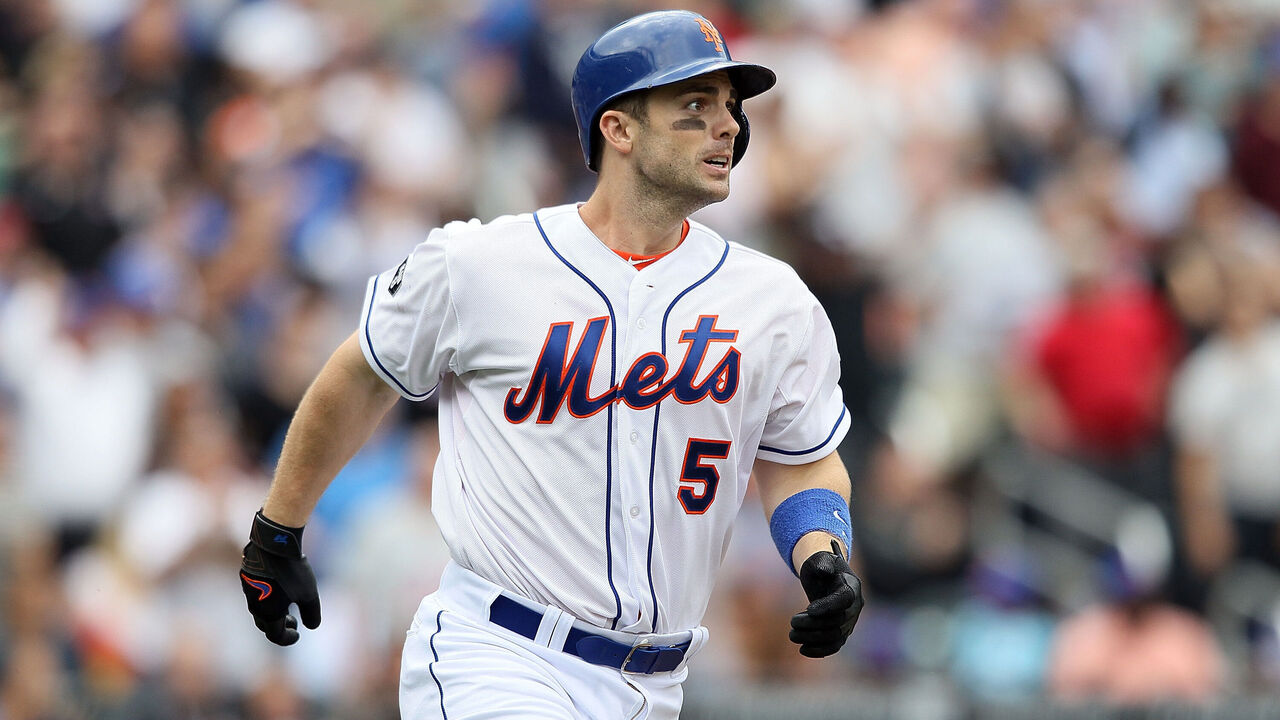
| David Wright | 3B | 4th | 14.8% (+8.7%) |
These four held their spots on the ballot for another year but are mostly ballast at this point. Wright, the Mets legend who was well on his way before a back injury cut his career short, is probably the only one here with some kind of hope given his nearly 10% increase, but his odds remain slim at best. It was somewhat surprising that Francisco Rodríguez - arguably the best reliever outside the Hall - didn't see a major increase following Billy Wagner's 2025 election. Unfortunately for him, that all but doomed his hopes.
Hunter clinging to his ballot spot yet again was perhaps the most shocking result of the last election. Vizquel will age off the ballot next year with a whimper, completing his record decline that began after allegations of domestic violence and sexual harassment surfaced earlier this decade.