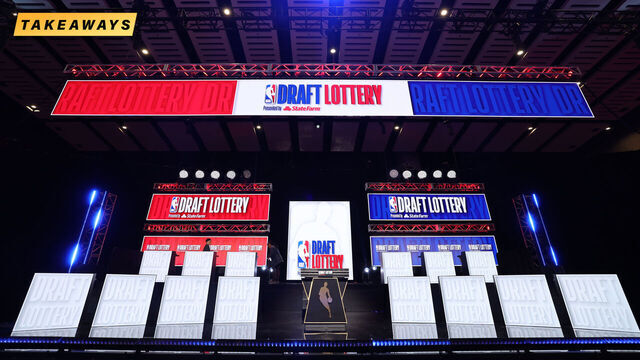
The NBA has officially adopted a new draft lottery format designed to discourage tanking. Was the radical reform necessary? Will it work? Here are some of the biggest questions and takeaways from the "3-2-1" system.
Click here to view a breakdown of the NBA's new anti-tanking measures.
Will this actually end tanking?
No, but it will discourage the most shameless forms of it.
Unless the NBA completely detaches draft positioning from the inverse standings, there will always be some incentive for rebuilding teams to lose. But the 3-2-1 model should eliminate a fair chunk of that incentive. First and foremost, there's no longer a clear advantage to being among the league's very worst teams; the three worst clubs will receive lesser odds than seven teams ahead of them in the standings.
The new sweet spot is landing between 21st and 27th overall (or more specifically, somewhere between the fourth- and 10th-worst teams that miss the play-in tournament). But even the lesser of those teams will still have reason to compete late in the season in an effort to avoid dropping into the bottom three, where the odds of winning the lottery decrease from 8.1% to 5.4%.
By prohibiting teams' ability to protect traded picks from 12th to 15th, the league has also eliminated the biggest reason why mediocre playoff contenders have tanked into past lotteries: to protect a traded pick (See Dallas in 2023).
Tanking out of the play-in tournament will see the biggest benefit, with teams that drop from the 10-seed down to No. 11 in each conference going from 5.4% odds to 8.1%. And history suggests we should never underestimate an NBA team's shamelessness when it comes to boosting its draft stock. But the fact that those play-in teams will still be in the thick of the lottery should ease at least some of those concerns. A ninth- or 10th-place team could have a 5.4% chance to win the lottery and the ability to play its way into the playoffs, rather than having to choose either scenario.
A team might tank the 7 vs. 8 play-in game to get into the lottery, but that's much easier said than done. Beyond the fact that the players themselves would never tank a postseason contest, it would be tough to convince a team owner to punt on guaranteed playoff revenue for entry into the lottery.
Who wants the 7-seed anymore?
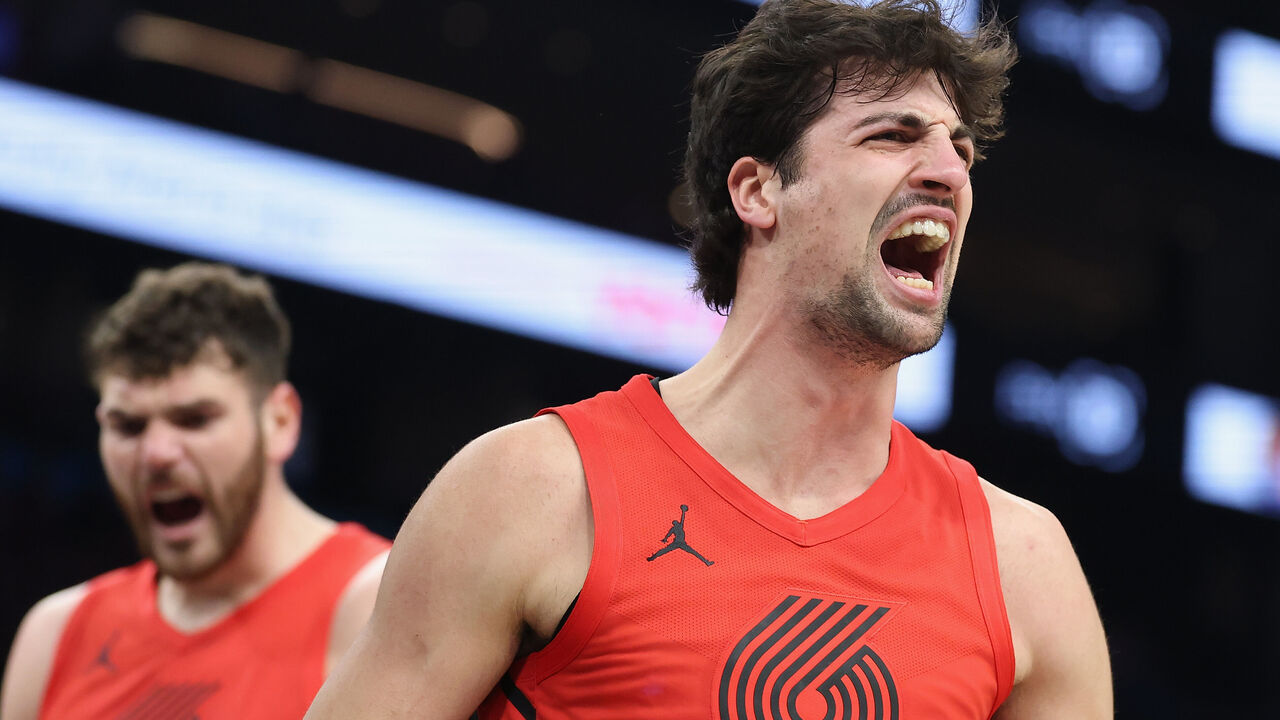
Players and owners might not tank the 7 vs. 8 play-in, but the NBA has created a weird dynamic for fans of those teams, who will soon realize it's more beneficial for their favorite team to lose.
Only nine of 86 7-seeds have ever won a playoff series. None has won a championship. Using those results, we can roughly project that winning the No. 7 seed gives your team about a 9% chance of advancing in the playoffs and basically a 0% chance of winning the title. Alternatively, if your team loses the 7 vs. 8 matchup, it can still make the playoffs and have those same minuscule odds, with a 7% chance of winning a series. However, they'd also get into the draft lottery, where they'd have a 2.7% chance of claiming the No. 1 overall pick.
That would be like having a chance to make the playoffs and owning the 10th- or 11th-best odds under the current lottery system. That sounds better than just the 7-seed to me.
The play-in tournament has largely been a smashing success, so it's strange that the league has created a system in which one of those play-in winners will feel like a big-picture loser.
Get ready for relegation battles
North American sports may never experience the full drama of international-style relegation, where the worst teams are banished to a lower division. But NBA fans will get a small taste of it over the next three years. Even critics of the 3-2-1 format will appreciate the urgency and added stakes of late-season games for the league's worst clubs, who won't want to finish in the bottom three.
Think of all the meaningless, joyless games we experienced down the stretch this season, when roughly one-third of the league was tanking. Now imagine if the hapless teams competing in those contests had an incentive to win in order to salvage their precious lottery odds. The stakes will be higher for teams and fans, which should create a more consistently competitive and engaging product for rights holders.
Why did Memphis vote against reform?
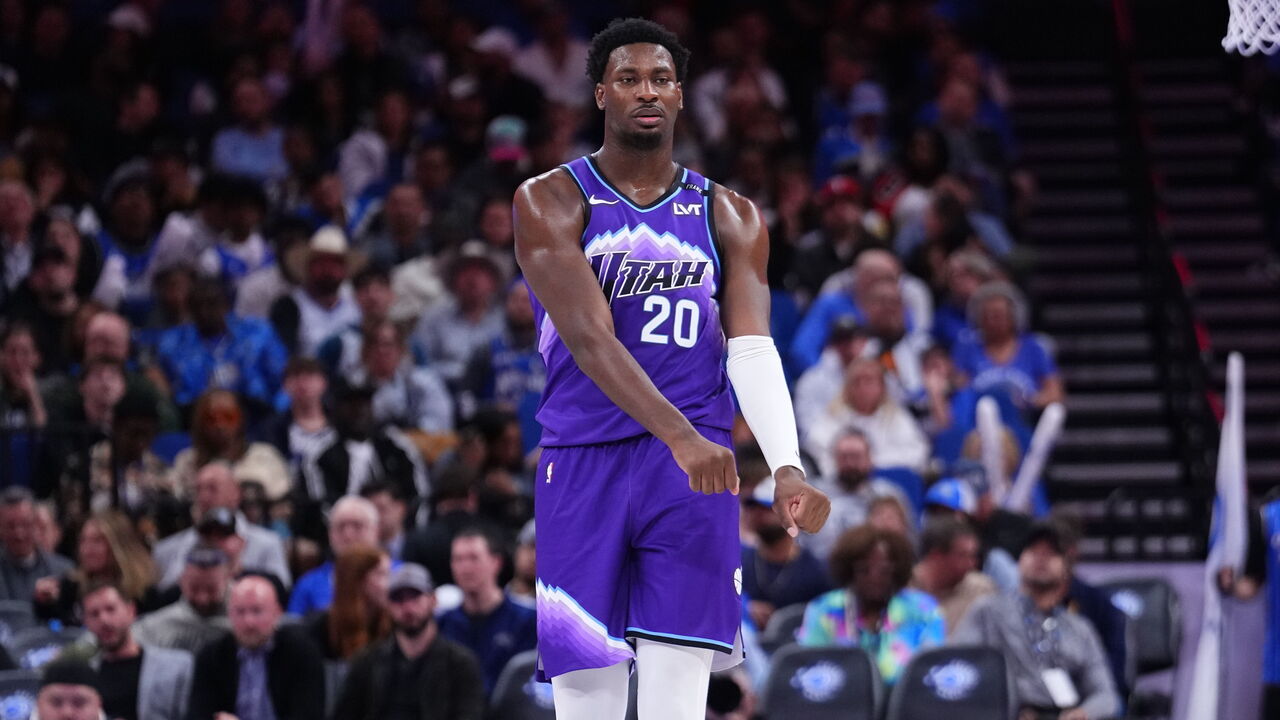
Grizzlies owner Robert Pera was the only governor to vote against the 3-2-1 format, but with good reason.
One of the new rules is that teams are prohibited from winning consecutive No. 1 picks and from earning three straight top-five selections. The restriction, however, only applies to the pick originally owned by the club in question. For example, after winning the 2026 lottery, the Washington Wizards' 2027 pick is ineligible to be slotted first overall. Even if the Wizards trade the selection, it would remain ineligible. But if Washington owned another team's 2027 first-rounder, that pick would still be eligible for No. 1 overall.
Why does that matter to the Grizzlies? Because Memphis owns 2027 swap-rights that will see it receive the most favorable of first-round picks from Utah, Minnesota, or Cleveland. Given that the Jazz are projected to be the worst team of the bunch, it's likely that the Grizzlies will receive Utah's pick. That helps explain why Memphis wanted the selection when it traded former franchise big man Jaren Jackson Jr. to the Jazz a few months ago. But because Utah's pick landed in the top five in 2025 and 2026, the highest it can land in 2027 is sixth. Had they known that at the time, it probably would've factored into the Grizzlies' asking price when trading Jackson.
What's the point of this wrinkle, which only punishes teams who've already made shrewd trades with cellar-dwellers? The point of lottery reform was supposed to be to discourage tanking. In this case, the Jazz's intentional ineptitude has seen them land consecutive top-five picks. How does preventing Memphis from capitalizing on Utah's potential incompetence discourage the Jazz from continuing to tank? Utah has already relinquished the rights to that pick and lost all reason to tank for it.
Conversely, the Jazz themselves could still land a third straight top-five pick if they owned the rights to a rival team's selection that falls in that range.
In this case, the NBA made a complicated mess out of what should've been a straightforward solution. The league should've imposed that teams can never win consecutive lotteries or land in the top five three years in a row with their own picks. The restriction shouldn't follow that selection around the league.
The price of picks just went up
This is perhaps the most fascinating consequence of lottery reform. By increasing the number of teams in the lottery, drawing all 16 picks rather than just the top four, and further flattening the odds, the NBA has made each future pick more valuable. A fringe playoff team's picks are now just as valuable as a terrible team's.
There are so many questions worth asking and trends worth monitoring going forward. Will teams be spooked out of trading their own picks? Will that slow down the trade market? Should teams on the verge of moving disgruntled stars now settle for less when it comes to draft capital? Will one brave executive sense this hesitation and still be bold enough to sell the farm?
Not to mention, how does reversing the order of the lottery for the second round's first 16 picks affect the value of future second-rounders? And how does throwing such a random wrench into the second round discourage tanking?
What's the biggest risk?
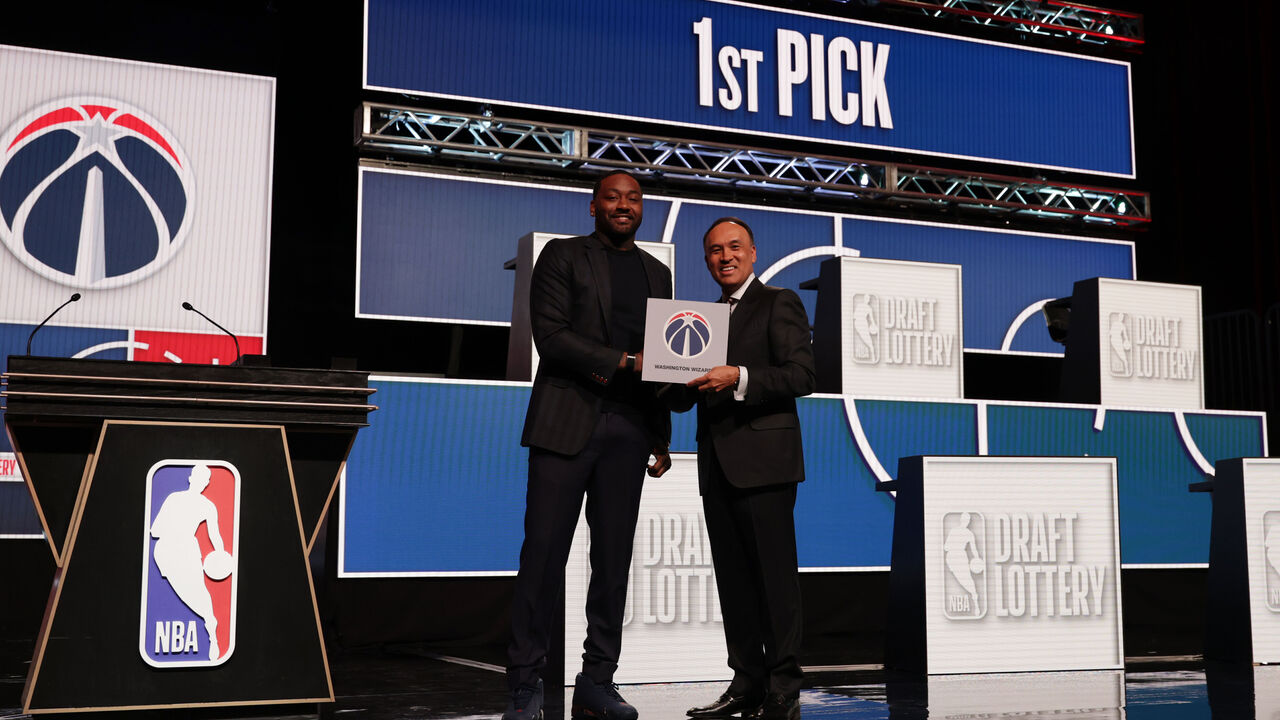
Commissioner Adam Silver has long trumpeted the idea of parity and competitive integrity. However, the league has already produced an unprecedented seven different champions in as many years. Plus, the latest collective bargaining agreement introduced increasingly punitive tax and apron restrictions that make sustainable, long-term contention harder than ever. The NBA had already found balance. This new system might only disrupt it, especially if genuinely bad teams end up picking in the 10-12 range while fringe contenders land top picks.
Is that a worthwhile trade-off to discourage teams from prioritizing the lottery?
Was this really necessary?
Probably not.
Given how widespread this season's tanking epidemic was and how damaging the optics seemed, I understand the NBA's rush to come up with a solution. But the 2027 and '28 draft classes are projected to be much weaker than this year's, and some tanking teams (like Utah and Washington) had already positioned themselves to be more competitive next season. In other words, tanking likely would've subsided somewhat without league intervention.
Not to mention, Silver now has more leeway to severely punish tanking teams, including with much heftier fines, decreased lottery odds, and even forfeiture of picks altogether. If the NBA's board of governors genuinely believes in the power of those threats enough to have included them in the new rules, then why the need for such radical lottery reform?
Joseph Casciaro is theScore's lead NBA reporter.